

If you’re still looking for an opportunity to play college basketball, don’t worry—there are college basketball teams with open spots at every level. Whether you missed early recruiting, are an unsigned senior, or want to transfer, you can still find a team if you take the right steps.
This guide will walk you through how to join a college basketball team with open spots, where to find opportunities, and how to make yourself a top candidate.
🔒 No spam. Unsubscribe anytime. Trusted by athletes, parents and coaches every month.
🏀 Why Do Some College Basketball Teams Have Open Spots?
✅ Player Transfers – Many teams lose players unexpectedly, creating open roster spots.
✅ Injuries & Academic Issues – Some players become ineligible, leaving teams with last-minute needs.
✅ Coaching Changes – New coaching staffs may recruit additional players.
✅ Walk-On Opportunities – Some programs keep extra spots available for non-scholarship players.
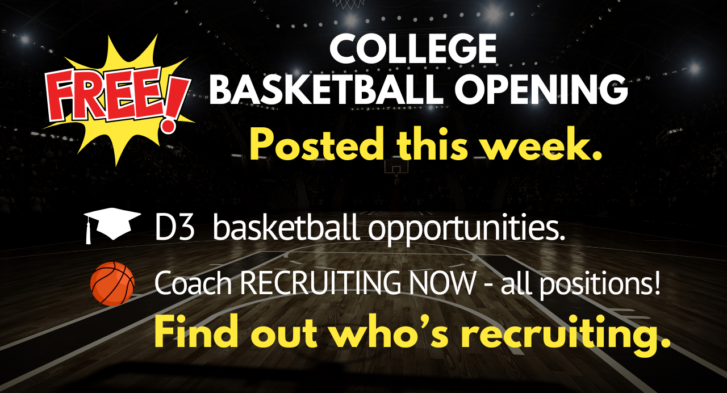
📌 Use College Basketball Openings to find schools actively recruiting players.
🔍 How to Find a College Basketball Team with Open Spots
📌 The fastest way to find open roster spots is through College Basketball Openings, which tracks real-time recruitment updates.
✅ Check College Basketball Openings Daily – Open spots appear at all levels throughout the year.
✅ Contact Coaches Directly – If you see an open spot, reach out immediately with your stats and highlight tape.
✅ Be Open to Different Levels – NCAA D2, D3, NAIA, and JUCO programs often recruit later than D1 schools.
✅ Showcase Your Readiness – Make sure your highlight reel, GPA, and eligibility requirements are up to date.
🎥 How to Make Yourself Stand Out to College Coaches
If a coach is still looking for players, they need someone who can contribute immediately. Here’s how to boost your chances:
✅ Create a Strong Highlight Reel – Include game footage showcasing your ball handling, shooting, defense, and leadership.
✅ Be Academically Eligible – Coaches prefer players who meet NCAA/NAIA eligibility requirements.
✅ Demonstrate a Strong Work Ethic – Hustle, leadership, and dedication are major factors.
✅ Consider Walk-On Opportunities – Many players earn scholarships after proving themselves on a team.
📌 Use College Basketball Openings to connect with teams actively seeking players.
📅 When Are Open Roster Spots Available?
✅ Fall & Winter (Early Season Recruitment) – Some teams add players after assessing their rosters.
✅ Spring (Late Recruitment Period) – Unexpected openings due to transfers and decommitments.
✅ Summer (Final Roster Adjustments) – NAIA, JUCO, and D3 schools often recruit up until the season starts.
📌 Tip: The best way to secure a spot is to check College Basketball Openings regularly and reach out to coaches ASAP.
🔥 Final Thoughts
Finding college basketball teams with open spots requires persistence and quick action. If you’re still looking for a team, don’t wait—many programs still need players at all levels.
✅ Next Step: Check College Basketball Openings now to find teams actively recruiting!
💡 Your opportunity is waiting—go claim it!

ADDITIONAL RELEVANT INFORMATION
Do College Basketball Teams Have Tryouts?
Yes, college basketball teams conduct tryouts as part of their recruitment process. These tryouts allow aspiring student-athletes to demonstrate their talents in hopes of joining the team, often as walk-ons.
Eligibility for Tryouts
Tryouts are primarily open to high school seniors, and those transferring from either junior colleges or other four-year schools who have completed their season. It’s crucial that participants are visiting the campus officially or unofficially during these tryouts.
Division-Specific Rules
The specifics of tryouts differ across various college divisions:
- NCAA Division 1: Teams here can hold tryouts, but they typically select only one or two walk-ons each year. While walk-ons at this level usually don’t receive athletic scholarships, they still get the chance to contribute to the team in other ways.
- NCAA Division 2 and Junior College (JUCO): These programs also conduct tryouts and provide more opportunities for walk-ons to secure a spot on the roster. In some cases, walk-ons can earn partial athletic scholarships after proving their ability and commitment over their first year.
- NCAA Division 3: Interestingly, these programs are not permitted to conduct official tryouts.
Opportunities for Walk-ons
Being a walk-on can be challenging, especially at the Division 1 level where playing time may be limited. However, for Division 2 and JUCO players, there is a real chance to make significant contributions to the team and potentially earn scholarships based on their performance.
In summary, tryouts are a critical element of college basketball in terms of recruitment, offering potential athletes a platform to gain entry into collegiate sports despite the competitive nature of team selection.
Preparing for Basketball Tryouts: What Coaches Expect
Here is how you can prepare yourself for basketball tryouts and base your preparation around what college coaches are looking for during a basketball tryout.
1. Coaches’ Expectations Beyond Talent
Basketball coaches are on the lookout for more than just skill. They prioritize players who exhibit:
- A Strong Work Ethic: Your commitment to enhancing your skills and contributing to the team’s success is crucial. It’s not just about what you can do on the court, but how hard you’re willing to work to get better.
- A Team-First Mentality: Coaches value players ready to fill any role necessary, whether it’s taking the lead in a game or boosting morale during practice sessions.
2. Key Focus Areas for Tryout Preparation
Preparing for tryouts involves more than just practicing your jump shot. Here’s what you need to focus on:
- Physical Fitness: Being in peak condition is non-negotiable. Your regimen should include cardio workouts, strength training, and agility exercises to keep up with the fast pace of basketball.
- Fundamental Skills: Deliver flawless basics under pressure. Strong dribbling, passing, shooting, and defending are non-negotiable. Coaches appreciate players who can perform these with precision during crunch moments.
- Understanding the System: Familiarize yourself with the coach’s strategy. Watch previous games, study their plays, and absorb the playing style. This knowledge not only shows initiative but allows you to seamlessly integrate into the team during tryouts.
- Attitude and Resilience: Display positivity and grit. Enthusiasm, focus, and the ability to remain steadfast under pressure or after setbacks signal a maturity that coaches find invaluable.
- Team Collaboration: Communicate effectively and be supportive of others. Demonstrating a willingness to work collaboratively underscores your commitment to collective success over individual glory.
With these preparations, you will not only impress with your skills but also showcase the qualities that coaches are diligently seeking in their quest to build a united and efficient team.
Is Attending Basketball Recruiting Camps Worth It for College Exposure?
Basketball recruiting camps offer a prime opportunity to elevate your game and gain visibility with college coaches recruiting your position. Here’s why attending one could be a game-changer for you:
- Skill Enhancement: Camps are designed to refine your skills through expert coaching and structured drills, helping you become a more versatile player.
- Exposure to Coaches: College coaches frequently attend these camps to scout potential recruits. Demonstrating your skills in this environment could put you on their radar.
- Networking Opportunities: Interact with other athletes and coaches, building relationships that could benefit your basketball career.
- Understanding Your Competition: Playing against other talented athletes helps you gauge where you stand and what areas need improvement.
- Scholarship Prospects: Performing well in camps could increase your chances of being considered for scholarships by showcasing your abilities and dedication.
For those serious about a future in college basketball, choosing the right camp is crucial. Research different options to find one that has the college coaches who are recruiting your position in attendance and, that aligns with all your other goals.
How Can Your High School Coach Assist in Attaining a College Basketball Roster Spot?
Your high school coach can play a crucial role in your journey to college basketball. They’re more than just a high school basketball coach – they’re your advocates, strategists, and mentors. Here’s how they can make a difference and help get you a roster spot:
Personal Development and Evaluation
- Skill Assessment: Your coach provides honest feedback about your strengths and areas for improvement, crucial for setting realistic goals.
- Position Guidance: They can advise on the best positions that match your skills, enhancing your chances of being noticed by college scouts.
Networking and Connections
- Coach Communication: Many high school coaches have established relationships with college coaches. They can introduce you to the right people, providing opportunities that may not have been accessible otherwise.
- References and Endorsements: A coach’s endorsement can carry significant weight. They’ll endorse you to college coaches, helping to build credibility and trust.
Showcasing Talent
- Highlight Videos: Coaches often assist in creating or refining your highlight reels, ensuring they effectively showcase your abilities and stand out to recruiters.
- Competitions and Exposure: They may guide you to participate in specific tournaments or showcases, where college recruiters are likely to scout new talent.
Guidance and Support
- Recruiting Strategy: Your coach can help you map out a comprehensive recruiting strategy, including timelines and targeted schools based on your performance and academic goals.
- Academic Advice: Balancing sports and academics is crucial. Coaches often provide guidance on how to maintain the necessary academic standards to meet college requirements.
Emotional and Mental Preparation
- Mentorship and Motivation: The emotional support and motivation provided by a coach can be invaluable. They prepare you mentally for the rigors of college athletics and the recruitment process.
Remember, open and honest communication with your coach about your aspirations and concerns is key. Their support is instrumental in turning your dream of playing sports in college into reality.
What is the Percentage of High School Basketball Players Who Transition to College-Level Basketball?
Out of the vast pool of high school male basketball players, only a small fraction continue their athletic careers in college. Out of approximately 551,373 participants, about 3.4% progress to compete in the NCAA.
For those aspiring to be part of even smaller elite circles, less than 1% make it to the NAIA. These stats highlight the competitive nature of securing a spot on collegiate basketball teams, where only a select few succeed.
Is a Recruiting Video Necessary for Basketball, and How Can One Be Created?
A recruiting video is crucial for basketball players aspiring to attract the attention of college coaches. These videos serve as your personal highlight reel, showcasing your skills, agility, and potential on the court. Here’s how you can create a standout recruiting video:
Showcase Your Best Skills
Focus on your strengths, whether it’s precise shooting, agile defense, or exceptional ball-handling. Highlight clips that display these abilities clearly and effectively.
Perfect Your Video Quality
Invest in good video equipment or ensure whoever is filming uses a high-resolution camera. Clear, professional-quality visuals make a compelling first impression.
Structure Your Video Wisely
Start with a brief introduction including your name, position, and jersey number. Follow with your strongest clips, capturing attention right from the start. Limit the video to 3-5 minutes to maintain interest.
Incorporate Game Footage
Use footage from real games rather than practice sessions. This provides coaches with insight into how you perform under pressure and collaborate with teammates.
Edit for Clarity
Keep the editing straightforward. Avoid excessive transitions and effects that can distract from your skills.
By meticulously crafting your recruiting video with these steps, you’ll enhance your chances of making a lasting impression on coaches.
How Can a Student-Athlete Research Schools Recruiting Their Position and Create a Target List for College Recruitment?
Starting the recruiting process can be daunting for student-athletes. However, a thorough approach to research can make a significant difference. Here’s how to get started:
- Understand Your Priorities
After identifying which schools are recruiting your position, begin by identifying what factors are most important to you in a college. Consider aspects like academic programs, campus culture, athletic facilities, location, and financial aid opportunities. Knowing your priorities will help narrow down your choices. - Utilize Online Resources
There are numerous websites and databases available that rank colleges based on different criteria. Sites like College Board, Cappex, and NCAA provide valuable information about academics and athletics, which will help you learn more about a school’s environment and its athletic programs. - Investigate Athletic Programs
Research the teams you’re interested in. Look at their past performance, coaching staff, team culture, and athlete support services. Don’t hesitate to contact current team members or alumni for insights. - Evaluate Academic Offerings
Ensure the colleges you’re considering offer strong programs in your field of interest. Look into the faculty, class sizes, and facilities. Academic fit is just as important as athletic fit. - Attend Campus Tours and Sports Camps
If possible, visit the campuses on your list. Tours and sports camps provide a firsthand experience of the environment and facilities. Pay particular attention to the interaction between athletes and coaches. - Consult with Guidance Counselors and Coaches
Discuss your list with your guidance counselor and sports coach. They can provide valuable feedback based on your strengths and areas for growth, and potentially offer additional suggestions for schools to consider. - Create a Balanced List
Compile a list of schools that fit your criteria into three categories: reach schools, target schools, and safety schools. This strategic balance maximizes your chances of enrollment and athletic participation.
By following these steps, you can create a well-researched list of target schools that meet both your academic and athletic goals. The goal is to identify institutions where you will thrive in both academia and athletics, setting the stage for a successful college experience.
Key Qualities College Basketball Scouts Want in Recruits
When college basketball scouts evaluate potential recruits, they focus on several key areas to assess the athlete’s potential fit within their program. Here’s what they typically look for:
Physical Attributes
Scouts often start by evaluating an athlete’s physical characteristics. This includes:
- Height and Body Frame: While having an ideal height can be beneficial, it’s not a strict requirement. For example, NCAA Division 1 typically sees players averaging around 6’5”, but there’s diversity in height across all levels.
- Athleticism and Strength: Players should demonstrate agility, speed, and overall physical power, which are crucial for both offense and defense.
Technical Proficiency
Mastery of basketball fundamentals is essential. Scouts look for recruits who exhibit:
- Shooting and Dribbling Skills: Accurate shooting and ball-handling skills are vital.
- Defensive Acumen: The ability to effectively guard opponents and understand defensive plays.
Basketball Intelligence
A high basketball IQ stands out in a player. This involves:
- Decision-Making Ability: The player’s capacity to make strategic decisions quickly during a game.
- Game Awareness: Understanding the flow of the game and anticipating the moves of opponents and teammates.
Academic Performance
Academic prowess is not just a requisite for college admission but also reflects on a player’s discipline and commitment:
- GPA and Test Scores: College coaches favor recruits who maintain strong academic records, as they are more likely to succeed in balancing athletics and studies.
- Responsibility and Discipline: Academic success indicates personal responsibility, a trait deeply valued by coaches.
Program-Specific Needs
Ultimately, the specific needs of a college program can dictate what a scout prioritizes in a recruit. Each team may have unique requirements depending on their current roster and strategic goals.
Building Relationships with Coaches
A proactive approach for recruits is to communicate directly with college coaches. This can offer insights into what the team is specifically looking for. Additionally, reviewing a team’s roster online can provide a clearer understanding of a program’s particular needs.
By focusing on these areas, recruits can present themselves as well-rounded candidates who are ready to excel both on the court and off.
Understanding College Basketball Recruiting
College basketball recruiting is a strategic process aimed at identifying and securing talented athletes who can contribute both on and off the court. Here’s a detailed look at how this intricate journey unfolds:
Talent Identification
The search for potential recruits begins with extensive scouting. College coaches attend numerous events like high school games, AAU tournaments, and nationwide showcases. The aim is to evaluate players’ skills and competitive dynamics. Additionally, digital platforms such as video highlights and athlete profiles have become pivotal in discovering talent at an early stage.
Evaluating Potential Fit
It’s not just about impressive stats. Coaches seek players who exhibit strong work ethic, adaptability, and solid academic records. The objective is to ensure a seamless integration with the team’s existing style of play and its cultural ethos. This holistic assessment helps in selecting athletes who will thrive both on the court and in the classroom.
Building Strong Relationships
Success in recruiting hinges on relationship-building. Communication often begins with introductory letters, emails, and phone calls to determine mutual interest. As connections grow, recruits are usually invited for campus visits—both unofficial and official. These visits serve as an opportunity for families to meet the coaching staff and explore the program firsthand.
Extending Offers
Following a thorough evaluation, coaches extend verbal offers or present scholarship opportunities to those athletes who align with team needs and objectives. This step is crucial as it formalizes the interest from the program to the athlete.
Securing Commitments
The recruitment process culminates when a recruit opts to sign a letter of intent or a financial aid agreement. For those choosing paths in the NCAA, NAIA, or junior colleges (JUCO), specific agreements solidify their commitment to the chosen educational institution and its basketball program.
Understanding this process can help aspiring athletes and their families navigate the complexities of college basketball recruiting, ensuring that both parties find the right match.
The Vital Role of Club Basketball in College Recruiting
Club basketball has become a crucial component in the journey to college basketball recruitment. By participating in prominent club programs, especially those under well-known organizations, athletes gain access to high-caliber competition. This exposure is invaluable, as it hones their skills and highlights their potential to college scouts.
Why Is Club Basketball Important?
- High-Level Competition: Club teams frequently play against elite competitors, helping athletes develop faster than they might in high school leagues.
- Visibility to Coaches: Many college coaches attend major club tournaments, which offer a unique platform for players. This level of exposure can be hard to achieve through high school games alone.
- Concentrated Opportunities: These events offer the chance for multiple college recruiters to watch games simultaneously. It’s a dense network of opportunities to catch a coach’s eye in one setting.
Enhanced Development
- Skill Building: Competing against top-notch athletes regularly drives players to refine their game, preparing them effectively for college-level play.
- Real-Time Feedback: Direct interactions with coaches at these events provide athletes with immediate insights into areas for improvement.
In summary, club basketball provides aspiring collegiate athletes with an advantageous path in the recruiting process through intense competition and unparalleled exposure. As the landscape of college recruiting evolves, the significance of club basketball only grows.
College Basketball Tryouts and Showcase Events: Opening Doors for Basketball Athletes
If you’re aiming to play basketball at the next level, you’ve probably heard about college tryouts and showcase events. But what exactly are they, and why should you consider attending?
Think of these events as the ultimate basketball audition. College tryouts give athletes a shot to demonstrate their abilities in front of coaching staffs—sometimes at the very institutions they’re hoping to join. Showcase events take it up a notch, bringing together players from different regions and backgrounds for a concentrated display of skills, dribbling, shooting, and hustle, all before a crowd of college coaches and scouts.
Why are these gatherings so crucial? Simply put: exposure. Not every talented player lands on ESPN or gets a write-up in Sports Illustrated. If you’re not already on a college’s radar, showcases and tryouts can be your ticket in. They allow you to stand out among the competition, meet coaches face-to-face, and even compare your performance against other hopeful recruits.
For any player with college basketball ambitions, these events are more than just a game—they’re a valuable bridge from high school courts to collegiate arenas.
Standing Out to College Coaches at Showcase Events
Before you set foot on the court, preparation is key if you want college coaches to take notice at showcase events. Coaches typically arrive with a list of prospects they plan to evaluate, so being proactive can give you a real advantage.
Make Contact Ahead of Time
Start by researching the colleges and basketball programs that interest you—whether they’re NCAA Division I powerhouses, Division II underdogs, or Division III hidden gems. Once you’ve narrowed down your list, introduce yourself. Send a brief, well-crafted email to each coach, sharing your basketball résumé and highlighting which showcase(s) you’ll be attending. Mention relevant stats, your position, and attach a highlight reel if you have one. This personal touch helps coaches remember your name—and gives them a reason to look out for your performance.
Create a Showcase Handout
Bring copies of a one-page handout to every showcase. Keep it concise: your name, grad year, position, contact info, and a summary of your basketball achievements. Don’t overload it with details—think of it as your basketball calling card.
- Drop handouts at designated tables where coaches collect player info
- Hand one to a coach if you have a brief one-on-one moment
- Ask your parents to keep a few on hand—you never know when opportunity knocks
Follow Up
After the event, send a thank-you email to any coach who watched your games or spoke with you. Reiterate your interest and include a recent stat line or update about your progress.
By communicating ahead of time and coming prepared, you’ll increase your chances of being noticed and, ultimately, recruited.
Finding College Basketball Tryouts and Showcase Events
If you’re eager to discover when and where college basketball tryouts and showcase events happen, a bit of detective work can go a long way.
1. Know the Key Months
First, timing matters. Most tryouts and showcases pop up during April, July, and September, with some team-based events also happening in May. Keep your calendar marked—these are the hot months for opportunities across much of the country, though regional differences may apply.
2. Check the NCAA’s Official List
The NCAA website is your best friend here. Head to the NCAA’s Basketball Certification section for the official, regularly updated list of certified men’s and women’s showcase events. This listing ensures you’re looking at legitimate events recognized by colleges and recruiters nationwide.
- Navigate to the NCAA site, search for “Basketball Certification,” and look for links to current event lists. Because dates and locations change throughout the year, especially for summer dates, revisit the page often—updates can appear after March or as the season approaches.
3. Tap Into Your Network
Don’t overlook your coaches—both AAU and high school coaches are often the first to hear about upcoming showcases. They’ll sometimes receive direct invitations or mailers and, if you’re proactive and keep asking, they’ll likely share leads. Even if your coach hasn’t brought an opportunity to your attention, a quick nudge could put you on their radar when new info comes in.
4. Explore Reputable Showcase Hosts
Finally, various organizations specialize in hosting reputable basketball showcases. For example:
- Blue Star Basketball
- Hoop Mountain
- Elite Sports
- N.E. Elite
Check their official sites or social media for schedules, locations, and registration details. Always double-check that the event is recognized by colleges for maximum recruiting benefit.
By combining official sources with local intelligence and a bit of persistence, you’ll stay ahead of the curve and won’t miss those important tryout or showcase opportunities.
Mindset and Effort: Laying the Groundwork for Success
If there’s one thing every aspiring college basketball player should remember, it’s that the recruiting process is more marathon than sprint. Grit matters just as much as raw talent—maybe even more. The athletes who stand out aren’t just naturally gifted; they’re the ones putting in those unseen hours when everyone else is catching up on Netflix and napping.
You’ll want to adopt the attitude of a determined Chicagoan tackling a snowy morning—show up early, put in the work, and don’t complain when it gets tough. Consistency is your new best friend. Coaches and scouts are looking for players who are in shape year-round, not just the week before a tryout. You never know when your shot at showcasing your skills—be it at a Nike Elite Camp or an Adidas Gauntlet event—will come, so you’d better be ready when it does.
Think of every tryout, camp, and showcase as an opportunity—not just to impress scouts, but to outwork your competition. Thousands of players are vying for those coveted scholarships. Staying prepared, keeping your skills razor-sharp, and bouncing back from disappointment (because, trust me, not every showcase goes your way) is what puts you ahead.
The road isn’t smooth. There will be days you question if it’s worth it, but if you fuel your effort with persistence and passion, success on the court—and in recruiting—becomes not just possible, but probable.
Reaching Out to College Coaches Before the Showcase
If you want to stand out at a showcase, don’t leave it up to chance—make sure coaches know who you are before you even step onto the court. Here’s how to get on their radar:
- Build a target list: Start by researching and listing colleges across different divisions—Division I, II, and III—that align with your goals and interests.
- Craft your introduction: Prepare a letter or email that includes your academic and athletic background, your position, notable stats, and which showcase events you’ll attend. Think of this as your personal highlight reel in written form.
- Send your information early: Reach out to as many college coaches as possible—don’t be shy about quantity. Let them know not only that you’re interested, but also where and when they can watch you play.
- Be specific and organized: Attach your resume or player profile, and tailor each message to the program when you can. Coaches appreciate a personalized touch.
- Follow up with updates: As the event approaches, a brief reminder or update about your upcoming participation doesn’t hurt.
A little preparation goes a long way. By taking these steps, you show initiative and make it easy for college coaches to spot you among a crowded field.
Crafting Your College Basketball Introduction Letter
When reaching out to college coaches, your letter acts as a basketball résumé—think of it as your personal highlight reel on paper. Be sure to include:
- Your basic info: Name, contact details, graduation year, high school, city/state, and position(s) played.
- Athletic stats: Height, weight, key statistics (points per game, assists, rebounds, etc.), and any relevant accolades or awards.
- Academic snapshot: GPA, standardized test scores (SAT/ACT), and intended major, if known.
- Schedule: Clearly list which upcoming showcase events you’ll be attending and how coaches can see you play.
- Brief introduction: Share a few sentences on your playing style, work ethic, or standout qualities—coaches want a glimpse of both your game and character.
When it comes to how many letters to send, don’t hold back. Aim for volume—many prospects send between 80 to 100 letters out at a time to a wide range of programs (Divisions I, II, and III). The idea is to maximize your chances and open as many doors as possible.
With this approach, you give yourself the best shot at landing on a coach’s radar.
Preparation: The Key to Showcase Success
Arriving at a basketball showcase event with both physical readiness and finely-tuned skills can make all the difference. Think of the showcase as your stage—this isn’t just a practice scrimmage; it’s your moment to shine in front of coaches, scouts, and potential recruiters. When you’re in peak condition and your skills are sharp, you can truly play at your best and handle the game’s intensity from the opening tip to the final buzzer.
Consider how NBA prospects like Luka Dončić or college stars from powerhouse schools make a strong impression—not by accident, but by investing countless hours perfecting their craft before the spotlight’s on. If you show up unprepared, not only might you underperform, but you could also miss the rare chance to stand out.
Here’s why thorough preparation matters:
- Physical Readiness: Endurance, speed, and strength ensure you can keep up and showcase your athleticism all game long.
- Skill Sharpness: Crisp passing, reliable shooting, and confident ball-handling help you show the full range of your abilities.
- First Impressions: Coaches and scouts are watching for players who are game-ready—not just in moments, but for the duration.
- Value for Investment: You’re dedicating time, resources, and effort into attending—being ready maximizes the opportunity.
So whether you’re dreaming about impressing an NCAA coach or earning a CrossFit-level stamina reputation, make sure your preparation off the court leads to results when it matters most—on it.
The Showcase Handout: What It Is and How to Use It
A showcase handout—sometimes called a showcase letter—is a concise, easy-to-read document that highlights a player’s essential information and achievements. Think of it as your athletic resume: contact details, academics, athletic stats, and a brief summary of what sets you apart as a student-athlete.
Unlike longer letters or packets you might send to colleges ahead of time, these handouts are designed to be brief and scannable. Coaches often receive dozens, if not hundreds, at events, so clarity and brevity are key.
Smart Strategies for Distribution:
While you can’t walk up and personally deliver a stack to every coach on the sidelines, there are well-established ways to get your handout into the right hands:
- Event Tables: Most showcases provide a central table or area where player handouts are displayed for recruiters to pick up at their convenience.
- Parental Support: Give a few copies to your parents or guardians. If they notice a coach showing interest—maybe lingering near your game—they can offer a handout in a polite, non-intrusive way.
- Team Representatives: Sometimes coaches funnel contact through a club or team manager, who can help distribute handouts to targeted colleges.
- Creativity Pays Off: A little resourcefulness—like including a QR code linking to a highlight reel or a digital profile—can help your handout stand out.
Ultimately, the goal is to make it as easy as possible for college coaches to learn about you, even in the hustle and bustle of a crowded event.
Finding Your Magic Number: How Many Showcase Events Is Enough?
When it comes to getting noticed by college coaches, quantity does matter—but with some strategic thinking. There’s no single “magic number” for showcase events, but attending multiple showcases throughout the year significantly boosts your visibility.
Consider aiming for at least three to five showcases each season, spaced out to avoid burnout and give yourself time to improve between events. Showcases often fill up faster than a Starbucks drive-thru in November, so plan ahead and lock in your spot as early as possible. If you have the resources and opportunity, don’t be afraid to venture out of your local area—national and regional events can attract scouts from powerhouse programs and lesser-known gems alike.
Remember, your best performance might not always happen at your first showcase. Each new event is a golden ticket to make a stronger impression. So, lace up, pack your gym bag, and treat each showcase as a fresh chance to stand out on the court.
When to Expect College Basketball Tryouts and Showcase Events
College basketball tryouts and showcase events are typically concentrated in specific months. Most often, you’re likely to find these opportunities in April, July, and September, with additional team-related showcases sometimes held in May. The exact timing can vary depending on your region and the organizations hosting the events, so it pays to keep an eye on local listings and announcements from groups like Nike EYBL, Under Armour Association, and regional athletic organizations. Staying proactive and diligent in your search will help ensure you don’t miss out on these key windows for exposure and recruitment.
Why Registering Early Matters for Showcase Events
Timing is everything when it comes to showcase events. These opportunities only pop up a few times each year—and the word gets out quickly. Sign-ups tend to fill up in the blink of an eye, leaving latecomers stuck on the sidelines. By registering early, you give yourself the best shot at grabbing a seat before the roster is full.
Early registration also offers peace of mind. You won’t be anxiously watching spots disappear or scrambling to rearrange your schedule at the last minute. Instead, you can focus on preparing to play your best—whether it’s your first showcase or your fifth. Plus, getting into multiple events ensures coaches and scouts have more chances to see your skills in action (think of it as building your “highlight reel” live).
Pro tip: The more events you attend, the deeper your exposure. More looks mean more opportunities to stand out—even if one event doesn’t go according to plan. So, when you spot an open registration, don’t wait. Lock in your place, and give yourself the runway to shine.
The Role of AAU and High School Coaches in Sharing Showcase Opportunities
AAU and high school coaches are often the first line of communication when it comes to connecting players with showcase events. These coaches receive flyers, emails, and invitations from event organizers and, depending on their level of involvement, may pass along details during practice, meetings, or team emails.
Here’s how they typically help:
- Gatekeepers of Information: Coaches frequently receive updates and invitations about upcoming showcases from organizers like Nike’s EYBL, Under Armour Association, and Prep Hoops.
- Resource for Players: Many coaches go out of their way to keep their players in the loop—sharing announcements or distributing flyers as soon as the information lands in their inbox or mailbox.
- Encouraging Proactivity: However, not all coaches distribute every opportunity automatically. It often pays for players to check in regularly with their coach or club director to ask about new events they may have heard about.
- Word of Mouth: In some cases, coaches become a hub of word-of-mouth information, alerting players to events or opportunities that may not be widely advertised.
Staying engaged with your coach—and making it a habit to ask about showcases—can be one of the surest ways to find out about valuable opportunities you might otherwise miss.
Basketball Showcase Event Organizers to Consider
If you’re looking for organizations that regularly host basketball showcase events, there are several well-known names to consider. These programs typically provide opportunities for young athletes to demonstrate their skills in front of scouts, coaches, and recruiters. A few notable hosts include:
- Blue Star Basketball
- Hoop Mountain
- Elite Sports Events
- New England Elite
Each of these groups is recognized for organizing exposure events that attract players from a wide range of skill levels. Before making any decisions, though, be sure to research the details of each showcase and choose one that aligns with your goals and experience level.
Using the NCAA website to Find Certified Showcase Events
Looking for certified college basketball showcases? The NCAA website is the go-to resource for uncovering official events—and making sure any showcase you find meets eligibility requirements. Here’s how you can make the most of it:
- Head over to the NCAA’s central site and use their search feature to look up “Basketball Certification.”
- Once you’re on the certification page, you’ll find separate, up-to-date lists of men’s and women’s certified showcases and events all across the United States.
- These lists are refreshed regularly, usually at least once per quarter, so if you’re planning ahead for summer, you may need to check back as new events are posted after March 1st—or as the NCAA calendar updates.
If you happen to run into any broken links or the list isn’t visible right away, simply use the search bar on the NCAA homepage. Enter “Basketball Certification,” and you’ll be guided to the information you need. This method guarantees you’re getting the most current, NCAA-approved showcase schedule—no guesswork required.
Staying Updated on NCAA-Certified Basketball Events
The roster of NCAA-certified basketball events isn’t set in stone—far from it. The NCAA reviews and updates their list quarterly (sometimes even more often), which means new showpieces can pop up or shift dates as the calendar marches on. It’s a bit like keeping up with the latest TikTok trends—blink, and you might miss an update.
So, how do you avoid missing out on important events? Here’s your playbook:
- Bookmark the NCAA “Basketball Certification” Page: This is ground zero for the latest on certified tournaments for both men’s and women’s basketball. They keep this page refreshed with the newest events as they’re approved.
- Check Regularly: Don’t expect summer event details in January—many of these won’t be posted until after March 1st. The NCAA updates the listings as soon as events are cleared, so it pays to peek at their site often, especially as each season approaches.
- Trouble Finding the List? If the direct link ever goes rogue, swing by the NCAA home page and search for “Basketball Certification.” This will get you right back on track.
The takeaway: persistence pays off. Checking the official NCAA resources regularly will ensure you never miss your shot at a certified event—no matter how often the game plan changes.
How to Find Upcoming College Basketball Tryouts and Showcase Events
Staying on top of college basketball tryouts and showcases gives you more opportunities to get noticed by coaches. Here’s how to make sure you never miss your shot:
1. Mark Your Calendar for Key Months
Tryouts and showcases are often held in April, July, and September, with some team-specific events popping up in May as well. These windows are especially active, so plan ahead and keep your schedule flexible during these months.
2. Use the NCAA Certified Events List
The NCAA website is the go-to place for discovering legitimately certified showcases nationwide. Head to their Basketball Certification page to access up-to-date listings—these cover both men’s and women’s events. The event list changes regularly, and some summer events don’t appear until after March 1st, so check the site often.
TIP: If the direct link isn’t working, search “NCAA Basketball Certification” and look for current Event Lists in the results.
3. Tap Into Your Network
AAU and high school coaches frequently get the latest info on upcoming showcase events. Ask your coaches directly if they’ve received updates or flyers—they can be your best source for word-of-mouth opportunities. Don’t be shy about following up; consistent communication ensures you won’t miss a valuable lead.
4. Explore Reputable Showcase Companies
Alongside NCAA listings, many well-known organizations like Blue Star, Hoop Mountain, Elite Sports, and N.E. Elite host high-quality showcases across the country. Checking their official websites—along with major basketball recruiting platforms—can reveal additional event options.
Quick Checklist:
- Regularly monitor the NCAA’s events page.
- Stay connected with coaches and clubs for emerging opportunities.
- Investigate reputable third-party showcase organizers.
- Keep your highlight tape and academic records updated and ready to send at a moment’s notice.
By keeping these resources and strategies in play, you’ll be in prime position to find and attend the showcase events that can launch your college basketball career.
Understanding College Basketball Tryouts and Showcase Events
College basketball tryouts and showcase events are critical opportunities for high school and transfer athletes to demonstrate their skills in front of college coaches. These events serve as a gateway for players who might not be heavily recruited through traditional scouting channels, offering them a direct chance to secure a walk-on spot or even grab attention for potential scholarships.
Showcase events typically bring together a diverse group of prospects and are often attended by college coaches from all levels—NCAA, NAIA, and NJCAA schools among them. During these showcases, players participate in drills, scrimmages, and competitive games, allowing coaches to evaluate their athleticism, basketball IQ, and how they mesh with other athletes on the court.
For many aspiring student-athletes, attending several showcases is key. The more events you participate in, the more eyes you get on your game—and the better your chances of connecting with a program that matches your skills and ambitions. Importantly, these events fill up quickly, so it’s wise to plan ahead and register early.
In short, college basketball tryouts and showcases are essential stepping stones for athletes serious about playing at the next level, providing unique exposure and a real-stage platform to impress decision-makers in the college hoops world.
How to Write and Distribute Your College Interest Letter
Once you’ve identified programs recruiting your position, with available spots, it’s time to make sure coaches know you’re interested—and ready to compete.
Create Your Basketball Resume
- Keep It Concise: Your letter should be brief, focused, and easy to scan. Start with a line introducing yourself, your position, graduating class, and a quick highlight of your achievements.
- Include the Essentials: Make sure to add academic stats (GPA, test scores), athletic stats (height, weight, position, shooting stats, awards), and a link to your highlight video.
- Showcase Your Fit: Briefly explain why you’re interested in that school or program. Mention the showcases or tournaments you’ll be attending and your availability for a campus visit or call.
Distributing Your Letter Effectively
- Target a Broad Range: Prepare a list of the schools recruiting your position across NCAA D1, D2, D3, NAIA, and JUCO levels. Don’t limit yourself to one division.
- Send Early and Often: Email your letter directly to the coaching staff—head coach, assistant coaches, and recruiting coordinators. Don’t be shy about following up.
- Be Prepared at Showcases: At events, bring printed handouts with your resume and contact info. Coaches often pick these up from designated tables; parents can also help distribute to coaching staff when the chance arises.
By sending out a polished letter and keeping copies handy for showcases, you’ll make a strong, memorable impression—and boost your chances of landing a spot on a college roster.
Proactive Communication: Making Sure College Coaches Know You’re at a Showcase
Attending a basketball showcase is only half the battle—making sure college coaches know you’ll be there is the strategic move that sets you apart. Here’s how to get on their radar before the event starts:
- Research and Target Schools: Start by identifying those who are recruiting your position, then create a list of colleges—across Division I, II, and III—that align with your academic and athletic aspirations. Look for programs where you’d be a strong fit both on and off the court.
- Craft Your Basketball Resume: Prepare a professional letter or email that serves as your sports résumé. Highlight your basketball achievements, academic record, and relevant stats. Be sure to mention the specific showcase(s) you’ll attend, including dates and locations.
- Contact College Coaches Directly: Reach out to coaches at your target schools well ahead of the event. Send personalized messages outlining your interest in their program and attach your basketball résumé. Don’t be afraid to cast a wide net—the more coaches who know about you, the greater your exposure. Some dedicated recruits send dozens of individualized emails or letters in one round.
- Follow Up and Share Updates: After your initial outreach, follow up with coaches as the event approaches. Update them if anything changes, and confirm your attendance to keep your name top of mind.
- Prepare Your Information Packet: Have your academic transcripts, highlight reels, and pertinent contact information ready in case a coach requests it.
Taking these proactive steps helps ensure that coaches recognize your name and keep an eye out for you at the event—ultimately making your showcase experience as productive as possible.
How Can Players Ensure College Coaches Know They’re Attending a Showcase Event?
Standing out at a showcase isn’t just about nailing a stellar performance—it starts before you ever step on the court. If you want college coaches to notice you, be proactive and put yourself on their radar ahead of time.
Notify Coaches in Advance
College coaches juggle packed schedules at showcase events, often with a shortlist of players they plan to watch. If you want to be on that list, reach out to them well before the event. Here’s how to do it:
- Identify Target Schools: Create a list of colleges and basketball programs you’re genuinely interested in, whether that’s NCAA Division I powerhouses, Division II contenders, or Division III schools focused on strong academics and athletics. Use college basketball openings to see if they are recruiting your position.
- Craft a Personalized Introduction: Send each coach a concise letter or email expressing your interest in their program. Treat it like your basketball résumé—include your key stats, highlight your strengths, and mention which specific showcase(s) you’ll be attending.
- Share the Essentials: Attach relevant information such as your playing position, academic achievements, and a link to your highlight reel or game film. This gives coaches a snapshot of who you are on and off the court.
- Follow Up: Don’t be afraid to send a polite follow-up message if you haven’t heard back, especially as the event gets closer.
By making this effort, you signal genuine interest in their program—something coaches value highly. It also increases the odds that they’ll carve out time to watch you play and even seek you out for a conversation at the event itself.
The bottom line: Take initiative. Advance outreach shows coaches you’re serious, organized, and ready for the next level—qualities that resonate as much as your crossover or three-point shot.
AAU and High School Coaches: Opening Doors to Showcase Events
AAU and high school coaches are often a valuable source of information when it comes to showcase events that attract college recruiters. Because these coaches regularly receive updates, invitations, and mailers about upcoming showcases—from organizers like HoopGroup, Prep Hoops, or regional basketball networks—they’re usually in the know about important opportunities for exposure.
Some coaches take the extra step to distribute information or flyers directly to their players, making sure nothing slips through the cracks. Others may keep the details posted on team group chats or bulletin boards, or they might focus on passing along opportunities that are best suited for the team or individuals.
The key as an aspiring college player: Stay proactive. Don’t hesitate to check in with your coaches throughout the season to ask if they’ve received any new information about upcoming showcases. By doing so, you ensure you’re always in the loop—maximizing your chances to get in front of the right college scouts.
How Many College Basketball Showcase Events Should You Attend for Maximum Exposure?
When it comes to maximizing your exposure to college coaches, attending multiple basketball showcase events can make a real difference in your recruitment journey. There’s no magic number—rather, your goal should be to participate in as many reputable showcases as your schedule and budget will allow, especially during key recruiting periods.
Why aim for several events? Each showcase is a new opportunity:
- Consistency and Visibility: Performing at different events increases your chances of being seen by a wider range of coaches, including those from programs like NCAA, NAIA, and JUCO.
- Second Chances: If one event doesn’t go as planned, the next showcase offers an opportunity to bounce back and impress.
- Competition Varies: You’ll face a mix of players at each event, allowing you to test yourself against different competition and make adjustments ahead of future tryouts.
- Camps Fill Fast: Many elite showcases—like those hosted by Nike, Under Armour, and Hoop Group—fill up quickly when registration opens, so secure your spot early.
The takeaway: Don’t limit yourself to a single event or put all your hopes into one performance. Attending multiple, well-chosen showcases enhances your visibility and gives you the chance to continually develop your game in front of the coaches whose attention you want as well a getting yourself some great video. This proactive approach can be instrumental in landing on a college coach’s recruiting radar.
What Is a Showcase Handout or Letter—and How to Use It at Events
When attending basketball showcases, having a concise handout or “showcase letter” prepared is a smart move. Think of it as your on-the-spot introduction to coaches—a trimmed-down, easy-to-read version of your full college recruitment letter, highlighting your stats, position, achievements, and contact info.
Best Practices for Your Showcase Handout
- Keep It Short and Punchy: Stick to the basics: your name, height, graduation year, position, GPA, and any standout honors or key stats that put you on the radar.
- Easy to Access: Coaches usually snag these from central tables at the event. You can’t always hand them out directly, but be proactive—make sure your handout is at every coach-accessible location.
- Parents as Allies: It never hurts if your parents keep a few extra copies handy. Sometimes, a quick conversation can lead to an opportunity to pass one along.
A well-crafted handout catches a coach’s eye and makes follow-up easier after the showcase. Make it professional, clear, and memorable—just like your game.
Smart Strategies for Distributing Player Handouts at Showcases
When it comes to getting your information in front of college coaches at showcase events, a strategic approach makes all the difference. Having a concise, well-prepared player handout ready is a great first step—but getting it into coaches’ hands requires a little planning and teamwork from your support crew. You can even use College Basketball Openings to see if any of the coaches in attendance have posted what positions they are recruiting so you know which coaches to target.
Here’s how parents can help maximize your exposure:
- Leverage Designated Drop-Off Tables: Most showcases have central tables where handouts can be placed for coaches to review at their convenience. Make sure your handout is eye-catching, professional, and easy to spot among the many others.
- Be Prepared with Extras: Parents should keep several copies ready. While direct hand-to-hand distribution to coaches may be limited, opportunities sometimes arise—such as informal chats near the gym entrance or after your game—so it’s smart to have a few on hand just in case.
- Stay Aware and Respectful: Coaches are often in designated areas. If event guidelines permit, ask event staff if they can assist in getting your handout to coaches. Always respect protocols regarding coach access.
- Think Creatively: Sometimes, networking with other parents or showcase organizers can uncover unofficial but effective ways to ensure your handout gets noticed—whether that’s pinning it on well-trafficked bulletin boards or teaming up with other families for greater visibility.
By being proactive, organized, and adaptable, you can ensure your player profile reaches the right hands—creating more opportunities for meaningful connections with college coaches.
Which Companies and Organizations Commonly Host College Basketball Showcase Events?
When it comes to gaining exposure and testing your skills in front of college coaches, choosing the right showcase event can make all the difference. Several organizations are known for consistently hosting reputable college basketball showcases across the country. Here are some of the most prominent:
- Blue Star Basketball: Renowned for their well-organized events, Blue Star attracts college scouts from a variety of programs.
- Hoop Mountain: Known for connecting talented athletes with collegiate opportunities through high-caliber showcases.
- Elite Sports Events: These showcases focus on skill development and provide strong exposure for aspiring college athletes.
- New England Elite (N.E. Elite): This organization is popular for regional events that draw college coaches and help players compete at a higher level.
Before selecting any event, research each organization’s reputation, event structure, and which college programs typically attend. By picking the right showcase, you maximize your opportunity to impress—and take another step toward your goal of playing college basketball.
Staying Up to Date With NCAA-Certified Event Lists
If you’re aiming for maximum exposure, staying informed about NCAA-certified basketball events is essential, since the roster of approved showcases and leagues is updated regularly—typically every few months. The NCAA keeps a running list of certified events, so it’s smart to check for updates as event registration periods roll around, especially ahead of the busy summer season.
To ensure you’re always working with the most current information, head to the NCAA’s official website and search for “Basketball Certification.” There, you’ll find the latest list of certified events—usually posted or refreshed periodically. If summer listings aren’t yet visible in early spring, stay persistent and revisit the site as event updates can appear after March 1st. Should you have trouble locating the right page, simply enter “Basketball Certification” in the NCAA’s site search bar and navigate from there.
Keeping an eye on these updates means you won’t miss out on the right camps and showcases—maximizing your chances of connecting with the coaches actively recruiting your position.
What is a Preferred Walk-On, and How Is It Different?
A preferred walk-on spot is a bit like having a “skip the line” pass for college basketball tryouts. Unlike regular walk-ons, who might need to attend open tryouts just for a chance to practice with the team, preferred walk-ons are specifically invited by the coaching staff to join the roster—no tryout lottery required. However, here’s the catch: these players don’t get an athletic scholarship right off the bat.
The experience of a preferred walk-on can vary depending on the school and division:
- Division I programs tend to reserve actual playing time for scholarship athletes, which means preferred walk-ons may log more minutes during practice than in games. But, they’re in the mix for team activities, travel, and possibly earning a scholarship later.
- Division II or III teams sometimes offer preferred walk-ons more real-game opportunities, but athletic scholarships in DIII programs simply aren’t a thing for anyone.
The big takeaway: A preferred walk-on gets you a guaranteed jersey and a real shot at proving yourself, but you’ll need a frank chat with the coach about what to expect when it comes to minutes, scholarships, and your role on the team.
What Does It Mean to Be a Preferred Walk-on or a Redshirt in College Basketball?
Preferred Walk-ons: The Inside Track Without the Scholarship
A preferred walk-on spot is a unique pathway onto a college basketball team, and one that offers both opportunity and uncertainty. Unlike regular walk-ons, preferred walk-ons are actively recruited by coaches—often after showcasing their skills with top-tier high school or club teams. These athletes participate in the full recruiting process and, once on campus, are typically guaranteed a roster spot. However, there’s a catch: preferred walk-ons join the squad without an athletic scholarship attached.
At the Division 1 level, playing time for preferred walk-ons is often limited, and earning a scholarship down the line can be a steep climb. New NCAA roster regulations could shift these dynamics, so staying in direct contact with coaches is especially important to understand what’s on the table. Expectations and opportunities can vary greatly depending on the college and division, making clear, ongoing communication absolutely crucial for those considering this route.
Redshirts: Preserving a Season of Eligibility
The term “redshirt” crops up frequently in college athletics, but its meaning can be a mystery until you’re in the thick of recruitment. In essence, a redshirt is a student-athlete who practices with their team but does not compete in official games for one academic year. This strategy preserves a year of athletic eligibility, allowing the player more time to develop skills and adapt to the demands of college life.
Redshirt seasons are most commonly found at the NCAA Division 1 and Division 2 levels. Sometimes, coaches will ask incoming recruits to redshirt during their first year—especially if the team is already deep at their position or if they believe a year of growth will pay dividends down the road. For players, this can be both a challenge and an opportunity: a chance to train with the team, adjust to college academics, and hit the ground running with four full seasons of eligibility remaining.
In both cases—whether you’re a preferred walk-on or a redshirt—the key is to have open conversations with coaching staffs about your role, expectations, and future possibilities. That transparency ensures you’re on the same page and can make the most of your college basketball experience.
The Value of Club and Intramural Sports for Non-Recruited Athletes
For students who weren’t recruited or who don’t aspire to participate in top-tier collegiate programs, club and intramural sports open alternative doors to stay connected with the game. These avenues welcome athletes of all backgrounds—whether you played varsity in high school or simply love the sport—offering a lower-pressure environment without extensive time commitments.
Participating in club or intramural teams provides several unique advantages:
- Ongoing Physical Activity: Students continue to enjoy the rewards of regular exercise, which benefits both physical health and mental well-being.
- Community and Friendship: These teams foster camaraderie and help students form lasting friendships with peers who share similar interests.
- Leadership and Teamwork: There’s plenty of opportunity to develop communication, leadership, and organizational skills that are highly valued beyond the court.
- Flexible Scheduling: Club and intramural programs typically feature more adaptable practice and competition calendars, allowing participants to prioritize academics or other campus activities.
Ultimately, club and intramural sports are an excellent way for non-recruited athletes to balance their love of basketball—or any sport—with the demands of college life, ensuring a holistic college experience.
Understanding the Differences: Varsity vs. Club vs. Intramural Sports
When you’re sizing up your options for playing sports in college, it’s not one-size-fits-all—think of it more like customizing your own Nikes rather than buying straight off the rack. Here’s how the main types break down:
Varsity Sports:
This is the big leagues of campus athletics. Varsity teams represent your college in official intercollegiate competition—think NCAA, NAIA, and NJCAA. These squads come with formal coaches, strict schedules, and, for the lucky few, athletic scholarships. Participation is highly competitive; rosters are often packed with recruited student-athletes, and games typically draw crowds from both campus and beyond.
Club Sports:
If you still take your game seriously but want a little more flexibility, club sports are your sweet spot. Club teams are usually student-run and compete against other colleges’ club teams. Tryouts may exist, but the atmosphere is generally less intense than varsity. Teams organize their own practices and travel, and while there’s no athletic scholarship here, it’s a great blend of competition and fun.
Intramural Sports:
Looking to play just for the love of the game (and maybe some campus bragging rights)? Intramurals are your go-to. Open to students of all skill levels, these leagues and tournaments are run through the recreation office and focused on friendly campus competition. No experience required—just show up, sign up, and play.
No matter which level you choose, you’ll find a way to enjoy your sport while juggling everything else student life throws at you.